
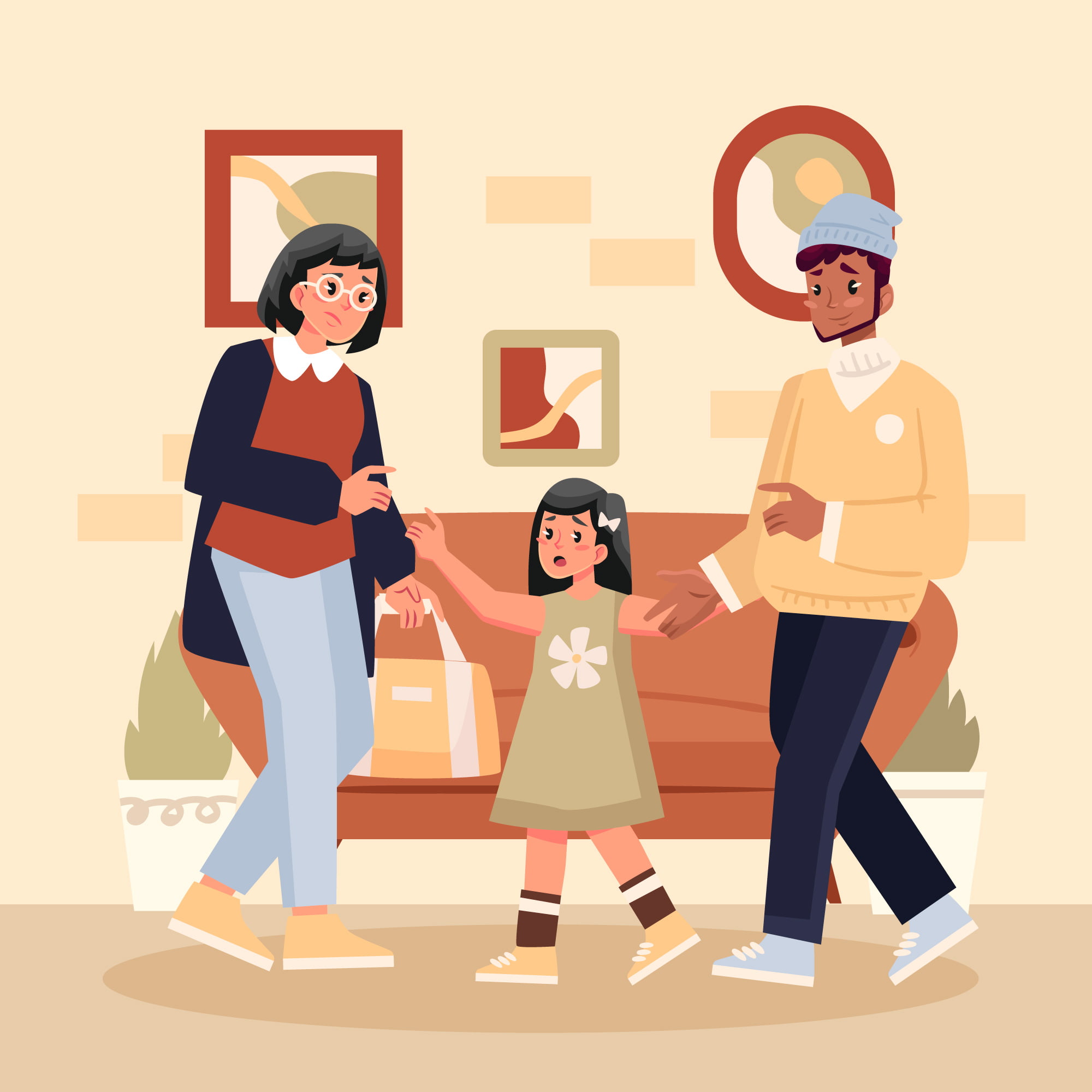
Parenting the Shy Child: Nurturing Social Confidence
Shyness is a common, but a little misunderstood emotion. Shyness can be defined as a state or quality of being nervous or timid in the company of other people. The basic feeling of shyness is universal, and can be argued to have evolved as an adaptive mechanism used to help individuals cope with social stimuli. Everyone has felt ambivalent or self-conscious in a new social situation. However, there are times when shyness can interfere with optimal social development and can restrict children’s learning. Children may be vulnerable to shyness at particular developmental points.
Perhaps, when a child is born the last thing the parents think about is whether their child is shy or not. Parents pray for their child to be healthy and normal. They keep a track of the child’s height and weight, and record for every milestone of the first words and steps the child achieves. This increased emphasis on motor development, language skills and learning tends to divert attention of parents, teachers and even child psychologists away from the social and emotional growth of children. The Stanford Shyness Clinic, under the guidance of Meg Marnell, Rochelle Kramer and Philip Zimbardo has developed different strategies and tactics that have proven effective to help shy people to cope with personal problems that shyness poses.
From the point of view of a researcher, shyness is a very fascinating phenomenon. Researchers claim that shyness is at the very core of what it means to be human- where individuals make contact with each other, or where they fail in their efforts to become social beings. Charles Darwin observed shyness to be the recognition of blushing, which according to him is the most peculiar and the most human of all expressions. From an analytical perspective, shyness makes us significantly aware of freedom and its constraints. However, it is also true that shyness is a self-imposed loss of freedom.
Researchers have shown that, some children are more shy than others. However, all shy children get stuck in a vicious cycle that holds them from connecting with other kids. When shy kids are around other kids, they feel like an outsider looking in. These children feel uncomfortable in social settings and hence avoid interacting with their peers. Subsequently, this leads to less practice of talking and playing with other kids. Thus, there is decreased opportunity to develop social skills such as having conversations, resolving arguments, taking turns and figuring out fun things to do together. Imagine the pain that parents might feel as they watch a shy child desperately wanting to be accepted by other children and yet doesn’t know what steps to take to gain their approval.
Overtime, research on the phenomenon of shyness amongst children has made way for more myths such as- the bottled-up rage in the good, shy
“pussy cat” boy who makes headlines as a mass murderer- the first naughty deed of his life.
Hence, to prevent a child to express greater loneliness in their adolescence due to their shyness, it is crucial to adopt certain strategies that will benefit the child to
overcome his/her shyness from an early age.
- Know your Child: It is important to be sensitive to the child’s interests and feelings. This will build a strong relationship with the child and will show that you
respect the child. This makes the child more confident and less inhibited.
2. Avoid labeling your child: “He’s our shy one.” Labels often define who we are and who we believe we can become.
A label that you create might haunt the child throughout his life.
3. Build Self-Esteem and Confidence: Shy children might have negative self-images and might feel that they will not be accepted. It is important to reinforce shy children to demonstrate skills and encourage their autonomy. Praise them often.
4. Develop Social Skills: Opportunities for play with young children in a one-on-one situation may allow shy children to become more assertive. Play with new
group of peers permits shy children to make a fresh start and achieve a higher peer status.
5. Allow the Shy Child to Warm up to New Situations: Pushing a child in a situation that he or she sees as threatening is less likely to help the child build social
skill. Help the child feel secure and provide interesting materials to lure him/her into interactions.
6. Encourage the Child to Identify Three Classmates: The child should consider these classmates to be fun to play with. Maybe
you can arrange an after-school trip to a park or ice cream shop to see if they make a connection.
7. Ask the teacher to give your child some responsibility: Some less outgoing kids tend to blossom if they feel special and important.
8. Remember That Shyness is Not All Bad: Not every child needs to be the focus of attention. According to Jones, Cheek, and Briggs (1986) some
qualities of shyness, such as modesty and reserve, are viewed as positive. As long as the child doesn’t seem excessively uncomfortable or neglected around others,
drastic interventions are not necessary.
Parenting the Shy Child: Nurturing Social Confidence from Early Years
Shyness, often misunderstood, is a common emotion characterized by nervousness or timidity in social situations. While
occasional shyness is universal and can serve as an adaptive mechanism, persistent shyness may hinder optimal social development in children. Despite its significance, the social and emotional growth of children is sometimes overlooked
amidst the focus on physical and cognitive milestones. However, understanding and addressing shyness is vital for a child’s overall well-being.
Researchers, including those at the Stanford Shyness Clinic, have shed light on effective strategies to help shy individuals navigate personal challenges. Shyness, they argue, is a fundamental aspect of human
interaction, shaping how individuals connect with others and perceive their own freedom. While shyness can vary among children, all shy children may face challenges in connecting with their peers,
leading to a cycle of social avoidance and limited social skill development.
To support shy children in overcoming their inhibitions and fostering healthy social interactions, parents can implement the following strategies:
- Know Your Child: Foster a strong bond with your child by being sensitive to their interests and feelings. This demonstrates respect and
builds confidence, reducing inhibitions. - Avoid Labeling: Refrain from labeling your child as “shy,” as labels can influence self-perception and limit potential. Instead,
focus on their individual strengths and qualities. - Build Self-Esteem and Confidence: Combat negative self-images by praising your child’s achievements and
encouraging autonomy. Reinforce their skills and abilities regularly. - Develop Social Skills: Provide opportunities for one-on-one play and interactions with peers to help shy children become more assertive.
Encourage participation in group activities to foster socialization. - Allow for Adjustment: Respect your child’s pace in adapting to new situations. Avoid forcing them into uncomfortable situations,
instead providing support and interesting stimuli to facilitate interaction. - Facilitate Connections: Encourage your child to identify classmates they enjoy spending time with. Arrange
outings or playdates to help foster these friendships in a relaxed setting. - Seek Teacher Support: Collaborate with teachers to provide your child with responsibilities or special roles in the classroom. This can boost their
confidence and sense of belonging. - Recognize Positive Aspects of Shyness: Understand that not all aspects of shyness are negative. Modesty and reserve can be
admirable traits, and not every child needs to be the center of attention. As long as a child feels comfortable and valued, drastic interventions may not be
necessary.
By implementing these strategies, parents can support their shy children in developing the social skills and confidence needed to thrive in various social settings. With
patience, understanding, and encouragement, shy children can overcome their inhibitions and build fulfilling relationships with their peers.